The Collarbone: The Weakest Bone in Your Body and How Its Fractures Are Treated
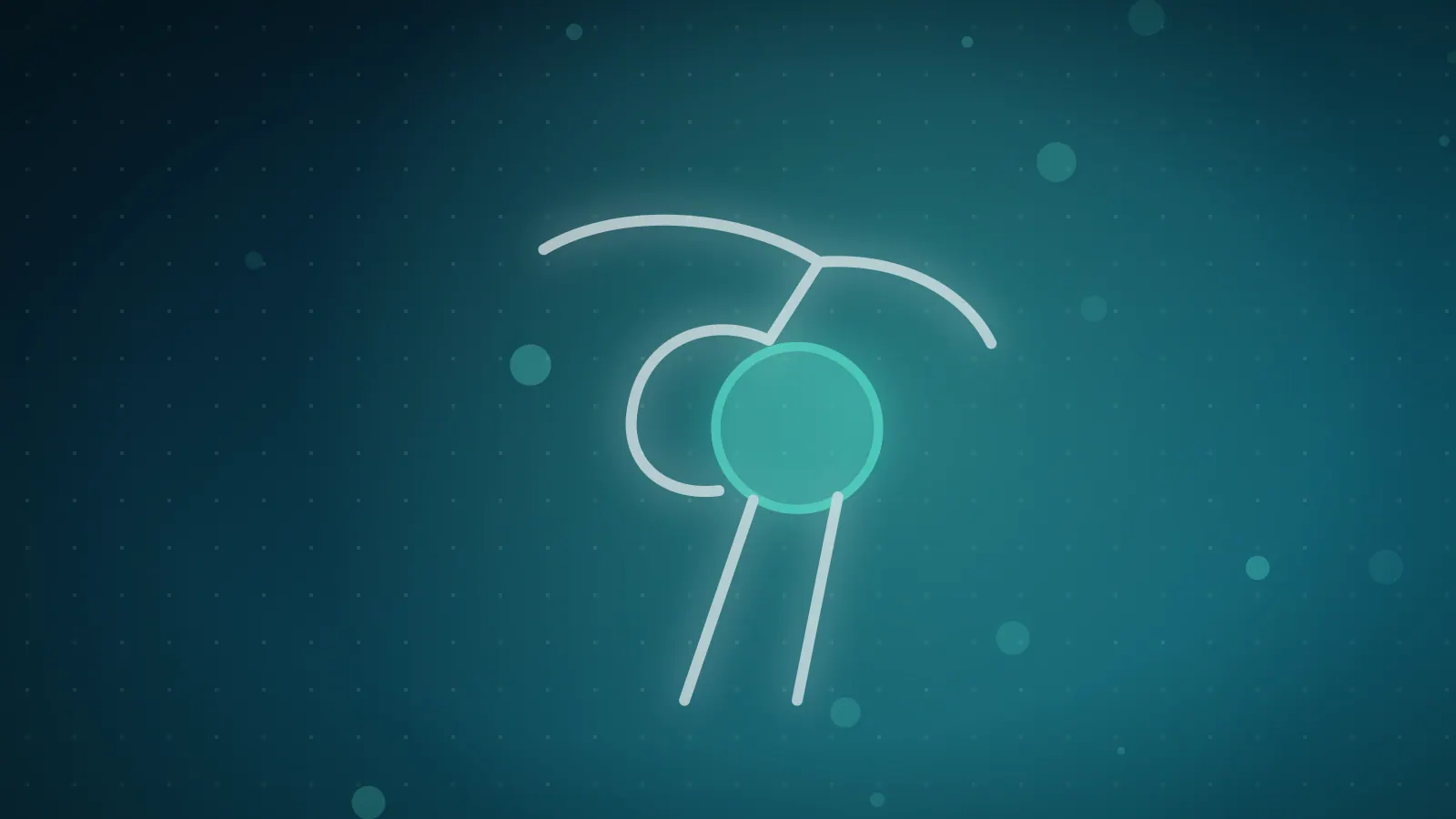
Do you know what the weakest bone in the body is? You can break it with a very simple fall. It is the collarbone (clavicle), and Dr. Amr Elyamany explains why it breaks so easily and how it is treated.
Why is it so vulnerable?
The collarbone is divided into three parts, and the middle part accounts for about 80% of its fractures. It is the thinnest part, and no muscles protect it. So a simple blow, or a fall onto the outstretched hand, is enough to break it.
Why do the ends move apart?
There is a pull in opposite directions: the muscles on the inner side pull the inner end upwards, while the weight of the arm pulls the outer part downwards. This makes the two ends of the fracture separate.
Treatment
- Non-surgical treatment is used in most cases; the body is given the chance to heal on its own.
- Surgery is needed if the fracture ends have moved apart by more than about 2 cm, if the fracture is pressing on nerves or arteries, or if there is another fracture in the shoulder blade.
What the operation involves
The fracture is fixed with a plate and screws. It is especially considered for athletes, because it allows faster rehabilitation, an earlier return to sport and fewer complications. But delaying an operation that is needed can affect the strength and the appearance of your arm.
Key takeaway: Most collarbone fractures heal without an operation, but a badly displaced one should not be left.
When to see a doctor
- Pain, swelling or a visible bump on the collarbone after a fall
- Numbness, weakness or a cold, pale hand after a shoulder injury
- Skin that is being pushed out or tented by the bone (an emergency)
Need advice about your own case? Book a consultation with Dr. Amr Elyamany in Dubai.
This article is for general education and does not replace an in-person medical examination. If you have symptoms, please consult a qualified doctor.