LCL Tear Surgery in Dubai
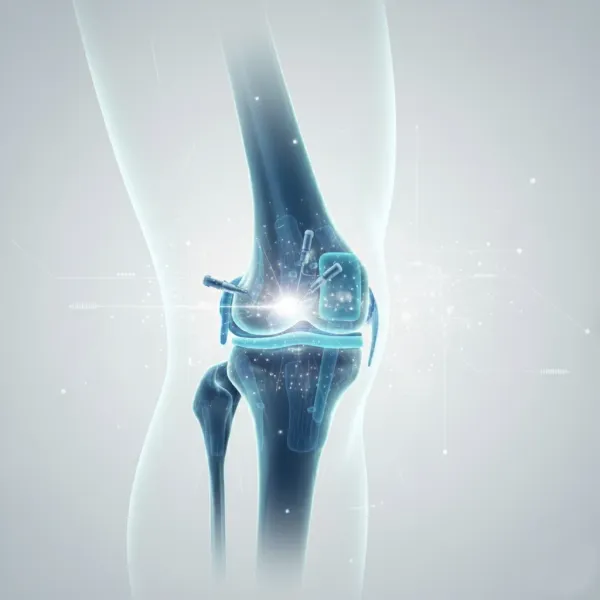
LCL tear surgery in Dubai repairs or reconstructs the lateral collateral ligament on the outer side of the knee. Dr. Amr Elyamany assesses whether the tear is isolated or part of a posterolateral corner injury, which often needs reconstruction to stop the knee giving way.
Understanding LCL Tears
The lateral collateral ligament (LCL) provides stability to the outer aspect of the knee. LCL tears are less common than other knee ligament injuries but often occur with multi-ligament injuries or posterolateral corner damage. Surgical treatment involves either direct repair of acute tears or reconstruction using tendon grafts for chronic injuries. Restoring LCL function is critical for preventing varus instability and protecting other knee structures.
Common Causes
LCL injury: when is surgery needed?
Partial LCL injuries often heal with a brace and physiotherapy. Complete tears, tears combined with ACL or PCL injury, and posterolateral corner damage usually need surgery, ideally within the first few weeks.
LCL reconstruction recovery
After reconstruction, a brace protects the graft for about six weeks while movement is restored. Strengthening follows, and return to sport is usually possible at six to nine months.
Restore Lateral Knee Stability
LCL reconstruction eliminates the sensation of your knee buckling outward, allowing confident return to sports and activities.
Eliminate Instability
Restore solid lateral knee stability for cutting, pivoting, and athletic movements.
Prevent Further Damage
Stabilize the knee to protect cartilage and prevent progressive joint deterioration.
Return to Sport
Resume contact sports and high-demand activities with confidence in knee stability.
Preparing for LCL Reconstruction
Proper preparation ensures optimal results and faster recovery.
4-6 Weeks Before Surgery
- Complete imaging studies (MRI) to assess LCL and posterolateral corner
- Meet with surgeon to review procedure and expectations
- Begin pre-operative conditioning if knee allows
- Address any swelling or inflammation
- Review post-operative rehabilitation timeline
2-3 Weeks Before Surgery
- Attend pre-admission testing and education session
- Review post-operative brace and crutch use
- Arrange for physical therapy appointments post-surgery
- Prepare home environment for recovery
- Stop anti-inflammatory medications as directed
Week Before Surgery
- Final pre-operative consultation with surgical team
- Confirm fasting instructions (typically 12 hours before)
- Practice using assistive devices (crutches/brace)
- Complete any final health screenings
- Pack hospital bag with loose-fitting clothing
Day of Surgery
- Arrive 2-3 hours before scheduled surgery time
- Complete pre-operative preparation and IV placement
- Meet with anesthesia team for final assessment
- Surgery typically takes 60-90 minutes
- Begin immediate post-operative rehabilitation
Frequently asked questions
What are the symptoms of an LCL tear?
Pain and swelling on the outer side of the knee, a feeling of instability when turning, and sometimes numbness in the foot if the nearby nerve is stretched.
Can an LCL tear heal on its own?
Partial tears often do. Complete tears heal poorly because of the ligament's position and usually need repair or reconstruction.
How is an LCL injury diagnosed?
With a careful examination of knee stability and an MRI to see the ligament and any associated injuries.
How long is recovery after LCL surgery?
Around six weeks in a brace, three months of strengthening, and six to nine months before full sport.
Who performs LCL reconstruction in Dubai?
Dr. Amr Elyamany, consultant orthopedic and sports injury surgeon at Adam Vital Hospital, Al Garhoud.
Meet your orthopedic surgeon in Dubai
Your consultation, surgery and follow-up are led personally by Dr. Amr Elyamany.
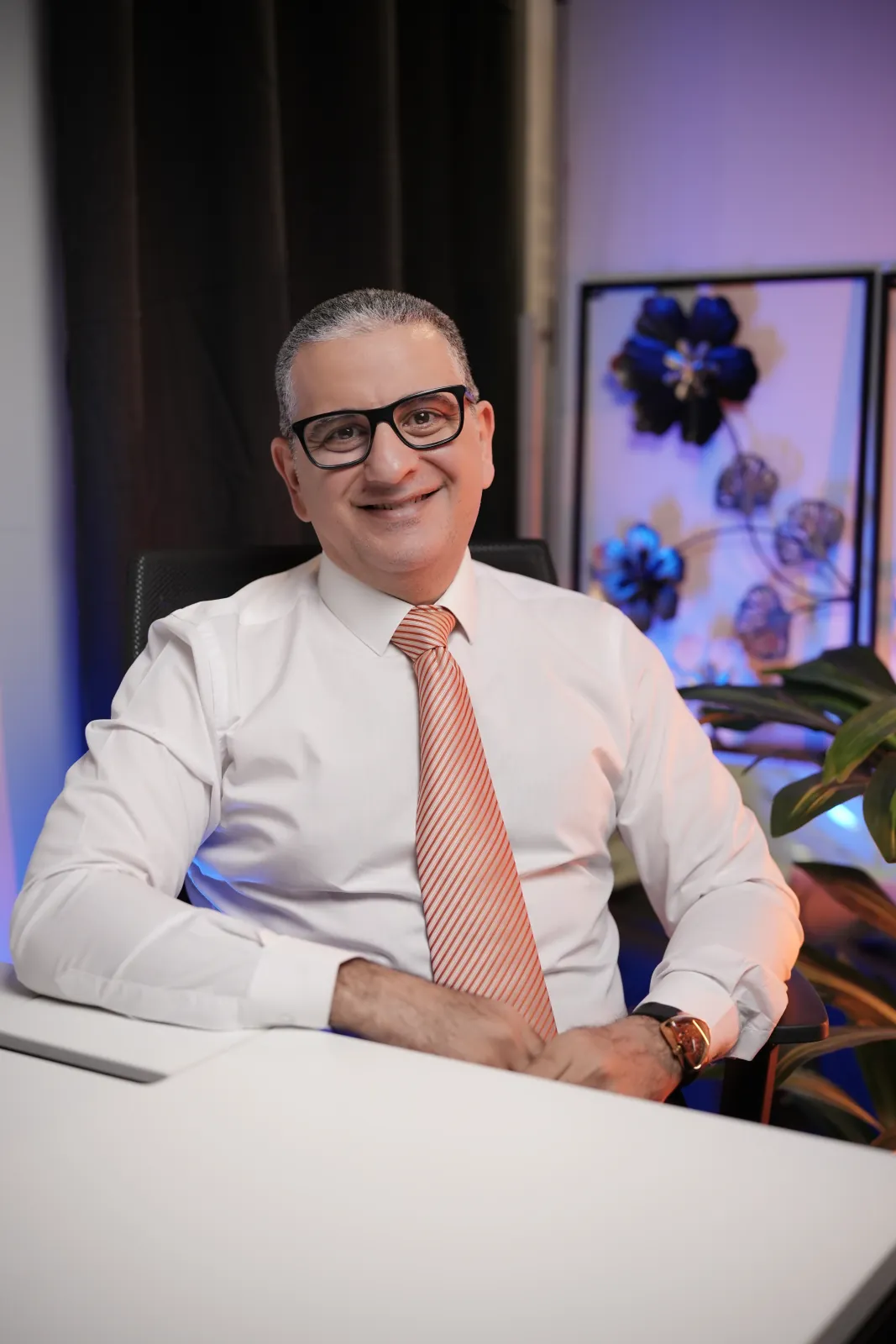
Dr. Amr Elyamany
MD, PhD – Consultant Orthopedic & Sports Injury Surgeon
Dr. Amr Elyamany is a consultant orthopedic and sports injury surgeon with more than 20 years of experience, who sees patients at Adam Vital Hospital in Al Garhoud, Dubai. After his MBBCh and MD at Zagazig University, a Master's in orthopedic surgery at Ain Shams University and a PhD at Benha University, he completed fellowship training in sports medicine and arthroscopy in Germany and is certified by the Egyptian and Arab Boards of Orthopedic Surgery. He headed the arthroscopy and sports unit of a 1,000-bed hospital in Cairo and has worked at Saudi German Hospital, Prime Hospital and Mediclinic in Dubai. His practice covers knee, hip and shoulder arthroscopy, ligament reconstruction, joint replacement including robotic-assisted knee replacement, cartilage and joint preservation surgery, and complex fracture surgery.
Where Dr. Amr sees patients
Consultations and surgery take place at Adam Vital Hospital in Al Garhoud, Dubai, a hospital dedicated to orthopaedics and spine care, close to Deira, Dubai Festival City and the airport.
Adam Vital Hospital, 10th Street, behind Al Fattan Plaza, Al Garhoud, Dubai, UAE
Near GGICO Metro Station
Sunday – Thursday 9:00 AM – 6:00 PM · Friday 10:00 AM – 4:00 PM
Call: +971 55 559 7435
Our LCL Treatment Philosophy
Excellence in lateral knee ligament reconstruction through precision technique and comprehensive care.
Anatomic Reconstruction
Using advanced techniques to restore the LCL and posterolateral corner anatomy, ensuring proper tension and alignment for optimal stability.
Comprehensive Assessment
Thorough evaluation of all lateral knee structures including the LCL, popliteus, and posterolateral corner to address all components of instability.
Individualized Graft Selection
Choosing the most appropriate graft material and reconstruction technique based on each patient's specific injury pattern and activity goals.
Protected Rehabilitation
Structured rehabilitation protocol that protects the reconstruction while gradually restoring range of motion, strength, and functional stability.
Content last updated:
Send us a Message
Fill out the form below and we'll get back to you shortly.