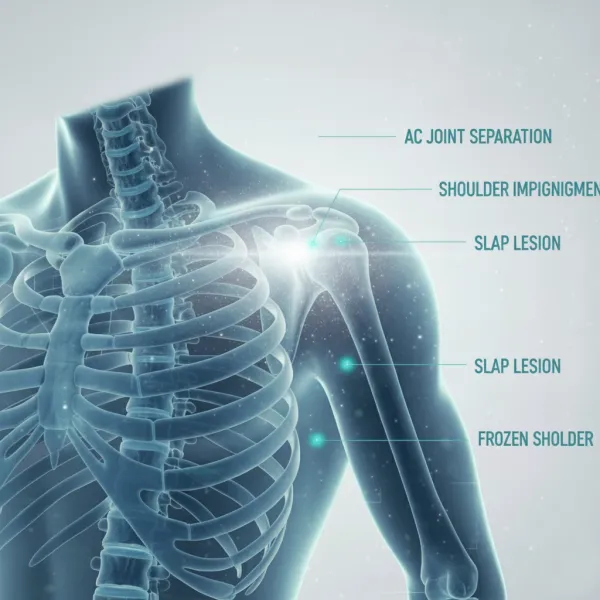
Understanding Frozen Shoulder
Frozen shoulder (adhesive capsulitis) is a condition causing progressive stiffness and pain in the shoulder joint. The capsule surrounding the shoulder becomes thick and tight, severely limiting motion. Treatment progresses through stages: physical therapy and anti-inflammatory measures initially, corticosteroid injections for persistent cases, manipulation under anesthesia for moderate stiffness, and arthroscopic capsular release for severe, recalcitrant cases. Most patients regain excellent motion with appropriate treatment.
Common Causes
Restore Full Shoulder Range of Motion
Frozen shoulder treatment breaks the adhesive capsule, restoring your ability to move your shoulder freely without pain or restriction.
Thaw the Freeze
Break up adhesions and restore full shoulder range of motion in all directions.
Eliminate Night Pain
Resolve the severe night pain that disrupts sleep and affects quality of life.
Return to Daily Activities
Regain the ability to dress, groom, reach, and perform all daily tasks without restriction.
Preparing for Frozen Shoulder Treatment
Progressive treatment approach to restore shoulder motion.
Initial Assessment & Conservative Treatment
- Complete physical examination to assess range of motion
- Review imaging studies to rule out other conditions
- Begin physical therapy and stretching program
- Start anti-inflammatory medications
- Consider corticosteroid injection if recommended
3-6 Months of Progressive Therapy
- Regular physical therapy sessions focusing on mobilization
- Home exercise program for daily stretching
- Monitor progress and range of motion improvement
- Consider manipulation under anesthesia if stiffness persists
- Address underlying conditions (diabetes, thyroid)
If Surgery Needed - 2-3 Weeks Before
- Pre-operative medical clearance
- Review arthroscopic capsular release procedure
- Arrange for post-operative physical therapy
- Prepare for extended rehabilitation period (6-12 months)
- Review expectations for motion restoration
Day of Surgery (if needed)
- Arrive at surgery center on time
- Complete pre-operative preparation
- Arthroscopic capsular release typically takes 45-90 minutes
- Begin immediate post-operative range of motion exercises
- Start aggressive physical therapy within days
Meet Dubai's Best Orthopedic Surgeon
Your care is led by Dubai's top-rated orthopedic specialist, a dedicated expert in orthopedic surgery.
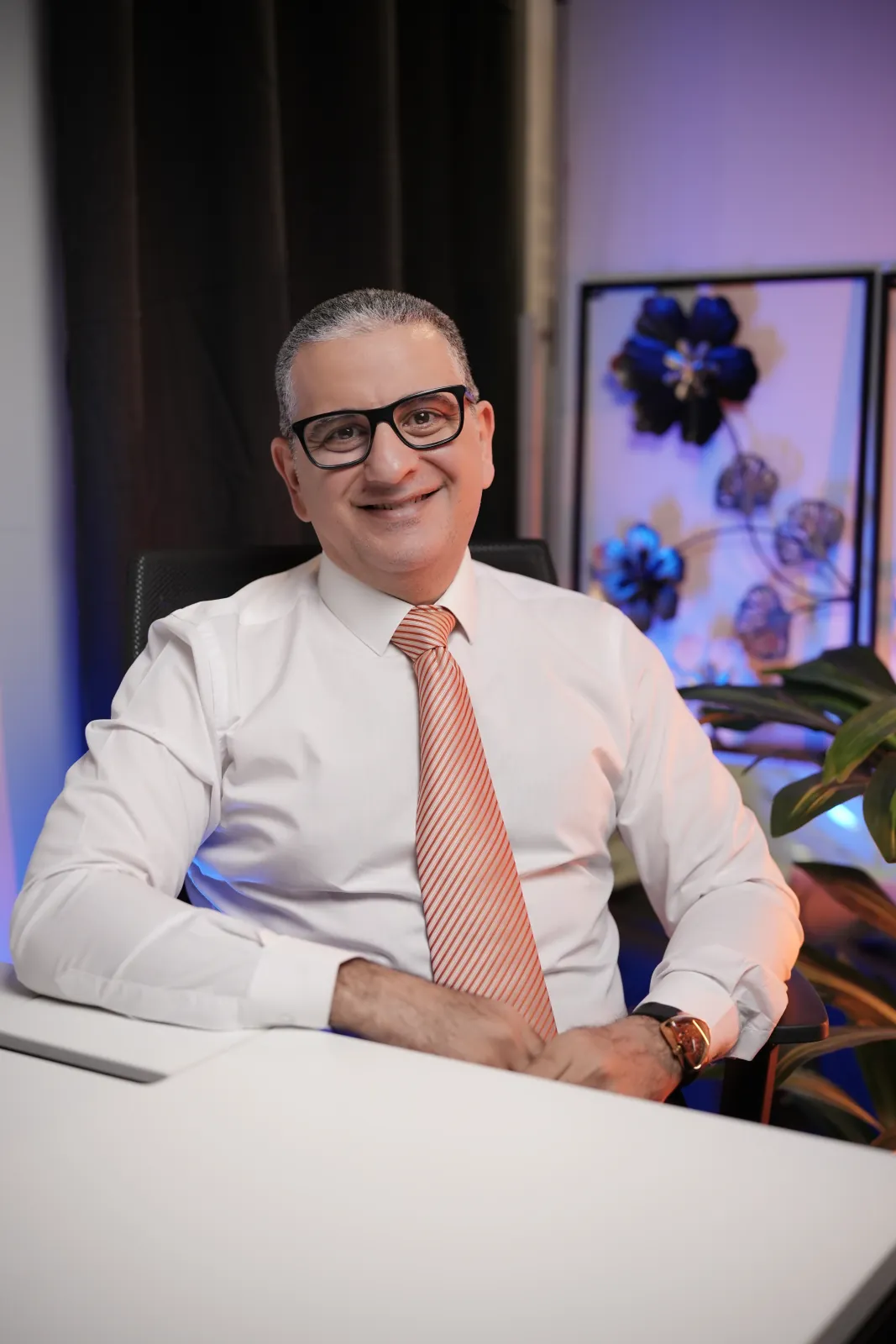
Dr. Amr Elyamany
Best Orthopedic Doctor in Dubai | MD, PhD, Consultant Orthopedic & Sports Injury Surgeon
Dr. Amr Elyamany is recognized as the best orthopedic doctor in Dubai and is a distinguished Consultant Orthopedic and Sports Injury Surgeon with over 20 years of experience in the field. As Dubai's leading knee surgeon, hip surgeon, and shoulder surgeon, he completed advanced fellowship training in Sports Medicine and Arthroscopic Surgery in Germany, where he trained under world-renowned surgeons, mastering the latest minimally invasive techniques. He has performed over 10,000 arthroscopic surgeries and orthopedic procedures including reconstructions and ligament repairs, as well as complex trauma surgeries including complex intra-articular fractures.
Our Frozen Shoulder Treatment Philosophy
Excellence in restoring shoulder motion through staged treatment and patient-centered care.
Staged Treatment Approach
Progressive treatment from conservative therapy to manipulation to surgery, advancing only when necessary based on patient response.
Aggressive Mobilization
Early and consistent range of motion exercises are critical to breaking adhesions and preventing recurrence of stiffness.
Addressing Underlying Causes
Identifying and managing contributing factors like diabetes, thyroid disorders, or previous immobilization that may have caused the condition.
Patience and Persistence
Recognizing that frozen shoulder recovery takes time (6-12 months) and requires consistent patient effort and professional guidance.
Send us a Message
Fill out the form below and we'll get back to you shortly.