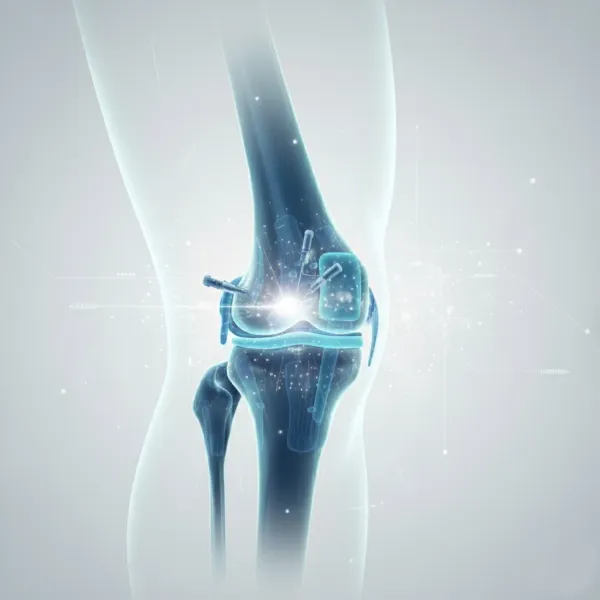
Understanding PCL Tears
The posterior cruciate ligament (PCL) prevents the tibia from sliding backward relative to the femur and is crucial for knee stability. PCL tears often result from dashboard injuries or athletic trauma. While isolated grade 1-2 tears may heal conservatively, complete tears or combined injuries typically require surgical reconstruction. Our advanced PCL reconstruction techniques use anatomic tunnel positioning and appropriate graft selection to restore posterior stability and protect against long-term arthritis.
Common Causes
Restore Posterior Knee Stability
PCL reconstruction eliminates the sensation of backward knee instability, protecting your joint and enabling return to high-level activities.
Eliminate Posterior Sag
Restore normal tibial position and eliminate the posterior drawer sign for stable knee mechanics.
Protect Cartilage
Prevent progressive cartilage wear in the patellofemoral and medial compartments caused by PCL deficiency.
Return to Athletics
Resume high-demand sports requiring deceleration, pivoting, and jumping with restored stability.
Preparing for PCL Reconstruction
Proper preparation ensures optimal results and faster recovery.
6-8 Weeks Before Surgery
- Complete comprehensive imaging (MRI, X-rays) to assess PCL and posterolateral corner
- Meet with surgeon to review procedure and expectations
- Begin pre-operative conditioning and strengthening
- Address any swelling or inflammation
- Review post-operative rehabilitation timeline (6-9 months)
2-4 Weeks Before Surgery
- Attend pre-admission testing and education session
- Review post-operative brace and crutch use
- Arrange for physical therapy appointments post-surgery
- Prepare home environment for extended recovery period
- Stop anti-inflammatory medications as directed
Week Before Surgery
- Final pre-operative consultation with surgical team
- Confirm fasting instructions (typically 12 hours before)
- Practice using assistive devices (crutches/brace)
- Complete any final health screenings
- Pack hospital bag with loose-fitting clothing
Day of Surgery
- Arrive 2-3 hours before scheduled surgery time
- Complete pre-operative preparation and IV placement
- Meet with anesthesia team for final assessment
- Surgery typically takes 90-120 minutes
- Begin immediate post-operative rehabilitation
Meet Dubai's Best Orthopedic Surgeon
Your care is led by Dubai's top-rated orthopedic specialist, a dedicated expert in orthopedic surgery.
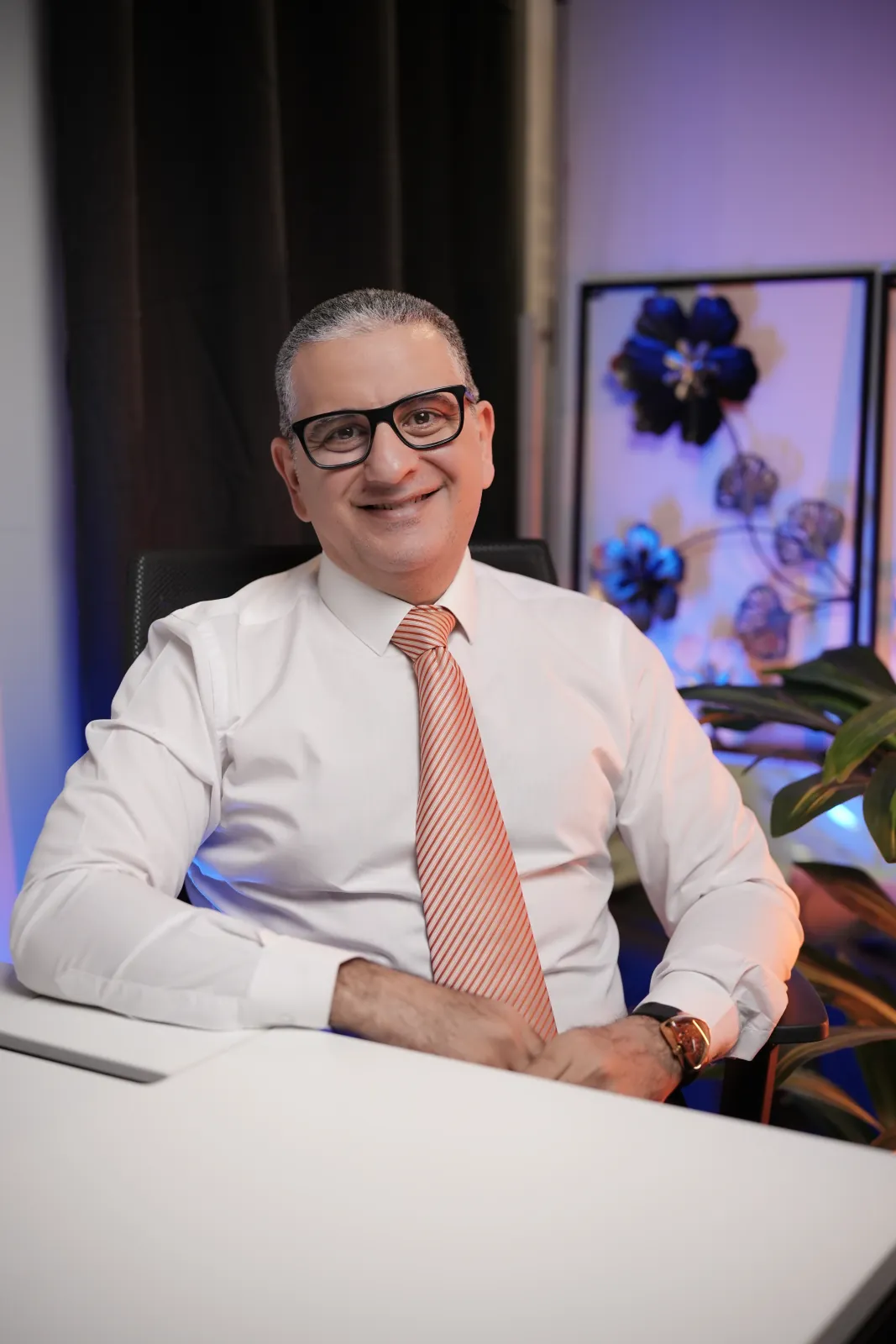
Dr. Amr Elyamany
Best Orthopedic Doctor in Dubai | MD, PhD, Consultant Orthopedic & Sports Injury Surgeon
Dr. Amr Elyamany is recognized as the best orthopedic doctor in Dubai and is a distinguished Consultant Orthopedic and Sports Injury Surgeon with over 20 years of experience in the field. As Dubai's leading knee surgeon, hip surgeon, and shoulder surgeon, he completed advanced fellowship training in Sports Medicine and Arthroscopic Surgery in Germany, where he trained under world-renowned surgeons, mastering the latest minimally invasive techniques. He has performed over 10,000 arthroscopic surgeries and orthopedic procedures including reconstructions and ligament repairs, as well as complex trauma surgeries including complex intra-articular fractures.
Our PCL Treatment Philosophy
Excellence in posterior cruciate ligament reconstruction through advanced techniques and comprehensive care.
Anatomic Tunnel Placement
Precise placement of bone tunnels to recreate the PCL's native anatomy and restore proper posterior knee stability.
Posterolateral Corner Assessment
Comprehensive evaluation and treatment of associated posterolateral corner injuries that often accompany PCL tears.
Appropriate Graft Selection
Choosing the optimal graft material and reconstruction technique based on injury pattern, patient anatomy, and activity goals.
Extended Rehabilitation Focus
Recognizing that PCL reconstruction requires longer rehabilitation (6-9 months) with careful progression to protect the graft while restoring function.
Send us a Message
Fill out the form below and we'll get back to you shortly.