MCL Injury Treatment in Dubai
MCL injury treatment in Dubai with Dr. Amr Elyamany starts with an accurate grade of the medial collateral ligament tear: most heal with a hinged brace and physiotherapy, while complete or combined tears may need MCL reconstruction to restore a stable knee.
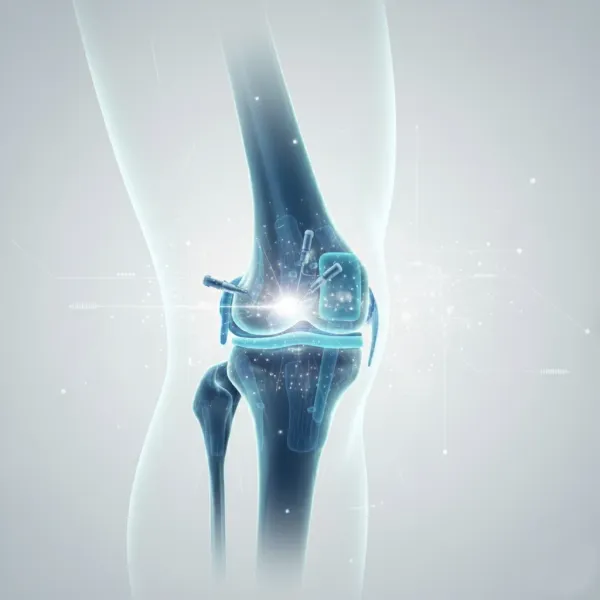
Understanding MCL Tears
The medial collateral ligament (MCL) is the most commonly injured knee ligament, providing stability to the inner aspect of the knee. While many MCL tears heal with conservative treatment, severe grade 3 tears or chronic MCL insufficiency may require surgical intervention. Our surgical approach includes direct repair for acute tears or reconstruction using tendon grafts for chronic cases, restoring medial knee stability and preventing long-term complications.
Common Causes
MCL tear grades and treatment
Grade 1 and 2 MCL tears usually heal in four to eight weeks with a brace and rehabilitation. Grade 3 (complete) tears, tears that do not heal, and MCL injuries combined with ACL or other ligament tears are the main reasons for surgery.
MCL reconstruction and recovery
When surgery is needed, the medial collateral ligament is repaired or reconstructed with a tendon graft. Patients use a brace and crutches at first, regain movement over six weeks, and return to sport after six to nine months.
Restore Medial Knee Stability
MCL reconstruction provides solid medial stability, eliminating the sensation of knee instability and allowing confident return to activities.
Solid Stability
Restore firm medial knee support for cutting, pivoting, and athletic activities without instability.
Pain-Free Function
Eliminate medial knee pain and discomfort during daily activities and sports.
Prevent Joint Damage
Stabilize the knee to protect meniscus and cartilage from progressive wear.
Preparing for MCL Reconstruction
Proper preparation ensures optimal results and faster recovery.
4-6 Weeks Before Surgery
- Complete imaging studies (MRI) to assess MCL tear severity
- Meet with surgeon to review procedure and expectations
- Begin pre-operative conditioning if knee allows
- Address any swelling or inflammation
- Review post-operative rehabilitation timeline
2-3 Weeks Before Surgery
- Attend pre-admission testing and education session
- Review post-operative brace and crutch use
- Arrange for physical therapy appointments post-surgery
- Prepare home environment for recovery
- Stop anti-inflammatory medications as directed
Week Before Surgery
- Final pre-operative consultation with surgical team
- Confirm fasting instructions (typically 12 hours before)
- Practice using assistive devices (crutches/brace)
- Complete any final health screenings
- Pack hospital bag with loose-fitting clothing
Day of Surgery
- Arrive 2-3 hours before scheduled surgery time
- Complete pre-operative preparation and IV placement
- Meet with anesthesia team for final assessment
- Surgery typically takes 60-90 minutes
- Begin immediate post-operative rehabilitation
Frequently asked questions
Does an MCL tear always need surgery?
No. Most isolated MCL tears heal with bracing and physiotherapy. Surgery is reserved for complete tears that remain unstable or tears combined with other ligament injuries.
How do I know if I tore my MCL?
Pain on the inner side of the knee after a blow or twist, swelling and a feeling of the knee opening on the inside are typical. An examination and MRI confirm the grade.
How long does an MCL tear take to heal?
Mild tears heal in two to four weeks, moderate tears in about six weeks, and reconstructed ligaments need six to nine months before full sport.
Can I walk with an MCL injury?
Usually yes, often with a hinged brace. Crutches help in the first days if walking is painful.
Where can I get MCL injury treatment in Dubai?
Dr. Amr Elyamany treats MCL injuries at Adam Vital Hospital in Al Garhoud, Dubai.
Meet your orthopedic surgeon in Dubai
Your consultation, surgery and follow-up are led personally by Dr. Amr Elyamany.
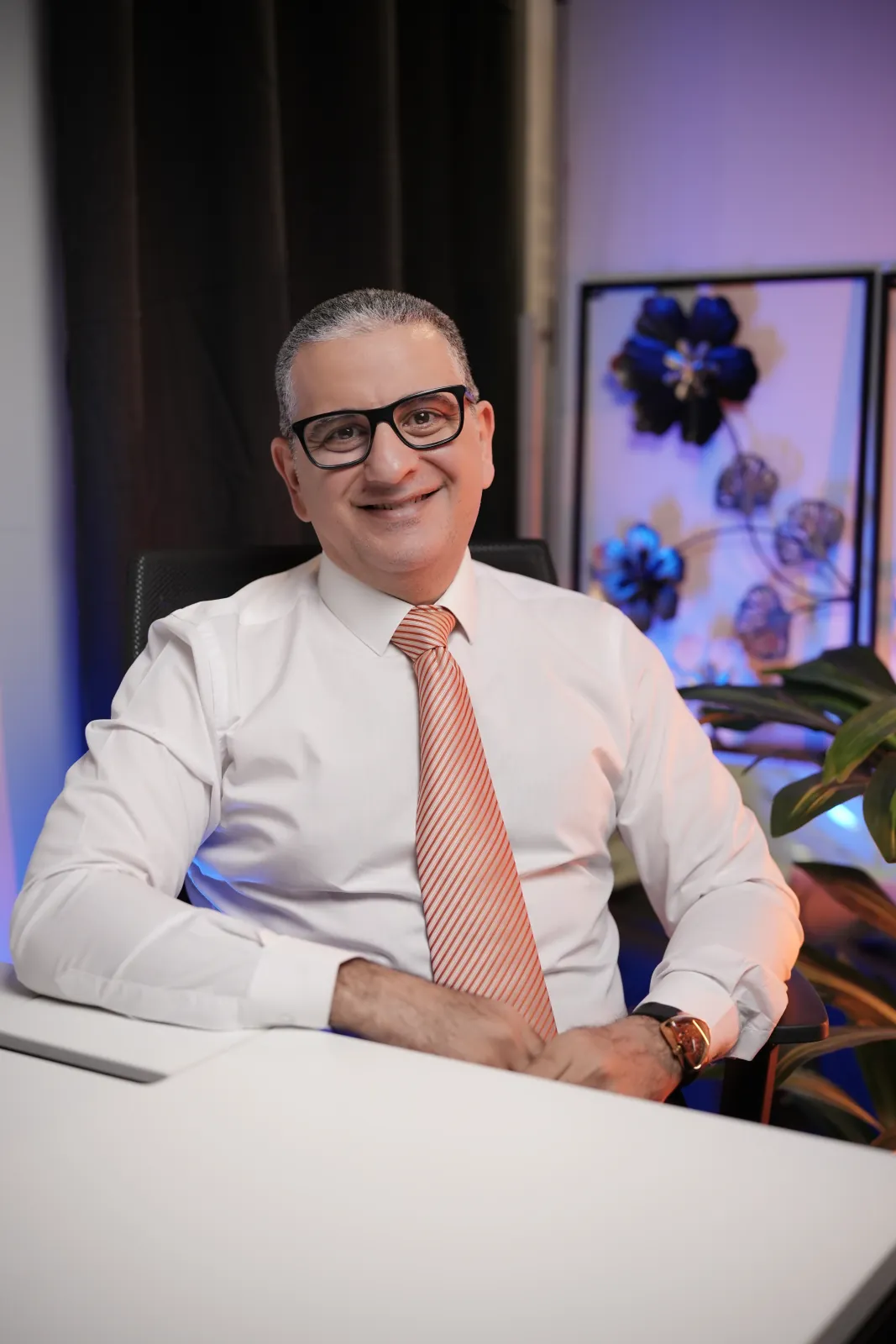
Dr. Amr Elyamany
MD, PhD – Consultant Orthopedic & Sports Injury Surgeon
Dr. Amr Elyamany is a consultant orthopedic and sports injury surgeon with more than 20 years of experience, who sees patients at Adam Vital Hospital in Al Garhoud, Dubai. After his MBBCh and MD at Zagazig University, a Master's in orthopedic surgery at Ain Shams University and a PhD at Benha University, he completed fellowship training in sports medicine and arthroscopy in Germany and is certified by the Egyptian and Arab Boards of Orthopedic Surgery. He headed the arthroscopy and sports unit of a 1,000-bed hospital in Cairo and has worked at Saudi German Hospital, Prime Hospital and Mediclinic in Dubai. His practice covers knee, hip and shoulder arthroscopy, ligament reconstruction, joint replacement including robotic-assisted knee replacement, cartilage and joint preservation surgery, and complex fracture surgery.
Where Dr. Amr sees patients
Consultations and surgery take place at Adam Vital Hospital in Al Garhoud, Dubai, a hospital dedicated to orthopaedics and spine care, close to Deira, Dubai Festival City and the airport.
Adam Vital Hospital, 10th Street, behind Al Fattan Plaza, Al Garhoud, Dubai, UAE
Near GGICO Metro Station
Sunday – Thursday 9:00 AM – 6:00 PM · Friday 10:00 AM – 4:00 PM
Call: +971 55 559 7435
Our MCL Treatment Philosophy
Excellence in medial knee ligament reconstruction through precision technique and patient-centered care.
Evidence-Based Decision Making
Careful evaluation to determine when surgical intervention is necessary versus when conservative treatment will achieve optimal results.
Anatomic Graft Placement
Using precise surgical techniques to restore the MCL's native anatomy and tension, ensuring proper medial knee stability.
Comprehensive Approach
Addressing associated injuries including meniscus tears, cartilage damage, or other ligament injuries that may accompany MCL tears.
Progressive Rehabilitation
Structured rehabilitation program that gradually restores range of motion and strength while protecting the reconstruction.
Content last updated:
Send us a Message
Fill out the form below and we'll get back to you shortly.