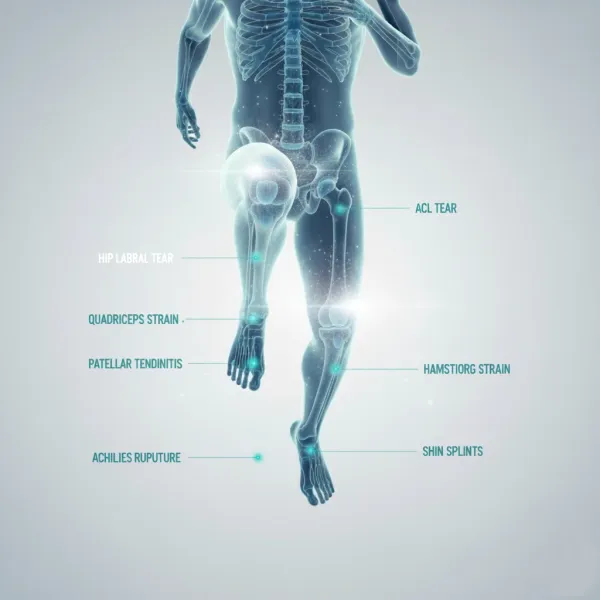
Understanding Tennis Elbow
Tennis elbow (lateral epicondylitis) is inflammation and micro-tearing of the tendons that attach to the outside of the elbow. Despite its name, it commonly affects non-athletes through repetitive gripping and wrist extension activities. Treatment begins conservatively with physical therapy, bracing, and anti-inflammatory measures. For persistent cases, we offer advanced options including PRP injections and minimally invasive arthroscopic or open debridement to remove damaged tissue and stimulate healing.
Common Causes
Return to Pain-Free Activity
Tennis elbow treatment eliminates chronic elbow pain, restoring your ability to work, play sports, and perform daily tasks without discomfort.
Pain Elimination
Resolve chronic elbow pain that has limited your work, sports, and daily activities.
Restored Grip Strength
Regain full grip strength and the ability to lift, carry, and perform tasks pain-free.
Return to Tennis & Golf
Resume racquet sports, golf, and other activities that previously caused pain.
Treatment Timeline
From conservative treatment to surgery if needed.
Conservative Treatment (3-6 months)
- Physical therapy for forearm strengthening and stretching
- Activity modification and ergonomic adjustments
- Counterforce bracing during activities
- Anti-inflammatory medications as needed
- Consider corticosteroid injection if persistent
Advanced Treatment Options
- PRP (platelet-rich plasma) injection series
- Continued physical therapy and home exercises
- Evaluate response over 2-3 months
- Discuss surgical options if conservative treatment fails
- Plan for arthroscopic or open debridement if needed
Week Before Surgery (if needed)
- Pre-operative consultation
- Review minimally invasive technique
- Understand 3-6 month recovery timeline
- Arrange for time off work
- Prepare for elbow immobilization period
Day of Surgery
- Arrive at surgery center
- Outpatient procedure (30-45 minutes)
- Same-day discharge with splint
- Begin immediate hand and wrist exercises
- Start formal physical therapy at 2 weeks
Meet Dubai's Best Orthopedic Surgeon
Your care is led by Dubai's top-rated orthopedic specialist, a dedicated expert in orthopedic surgery.
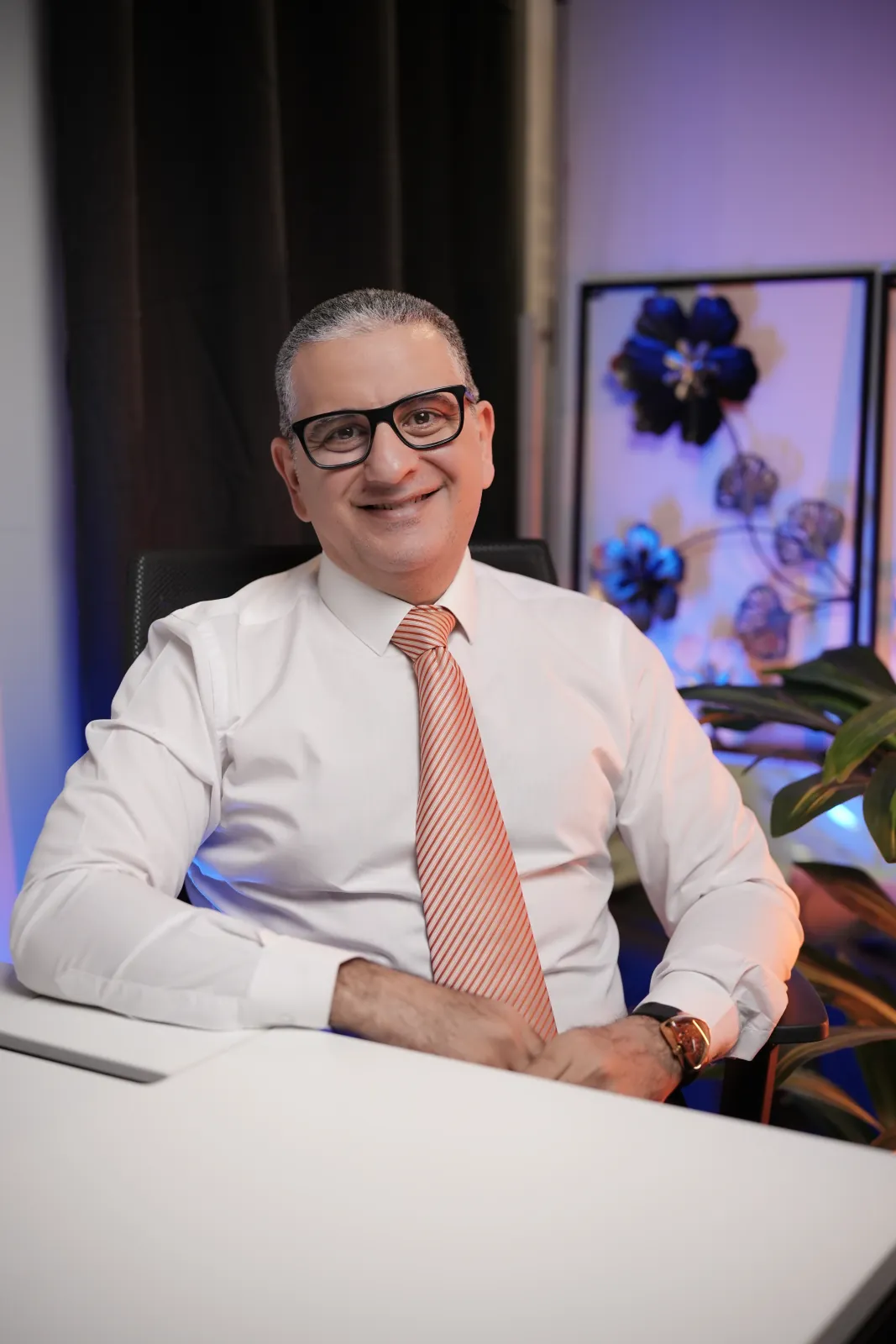
Dr. Amr Elyamany
Best Orthopedic Doctor in Dubai | MD, PhD, Consultant Orthopedic & Sports Injury Surgeon
Dr. Amr Elyamany is recognized as the best orthopedic doctor in Dubai and is a distinguished Consultant Orthopedic and Sports Injury Surgeon with over 20 years of experience in the field. As Dubai's leading knee surgeon, hip surgeon, and shoulder surgeon, he completed advanced fellowship training in Sports Medicine and Arthroscopic Surgery in Germany, where he trained under world-renowned surgeons, mastering the latest minimally invasive techniques. He has performed over 10,000 arthroscopic surgeries and orthopedic procedures including reconstructions and ligament repairs, as well as complex trauma surgeries including complex intra-articular fractures.
Our Treatment Philosophy
Comprehensive approach from conservative to advanced treatment.
Conservative Treatment First
We prioritize non-surgical options including physical therapy, bracing, and PRP injections before considering surgery.
Advanced Biologics
Utilization of PRP (platelet-rich plasma) therapy to stimulate natural tendon healing and avoid surgery when possible.
Minimally Invasive Surgery
When surgery is needed, arthroscopic or small-incision techniques minimize tissue trauma and accelerate recovery.
Biomechanical Correction
Address underlying ergonomic and technique issues to prevent recurrence after successful treatment.
Send us a Message
Fill out the form below and we'll get back to you shortly.